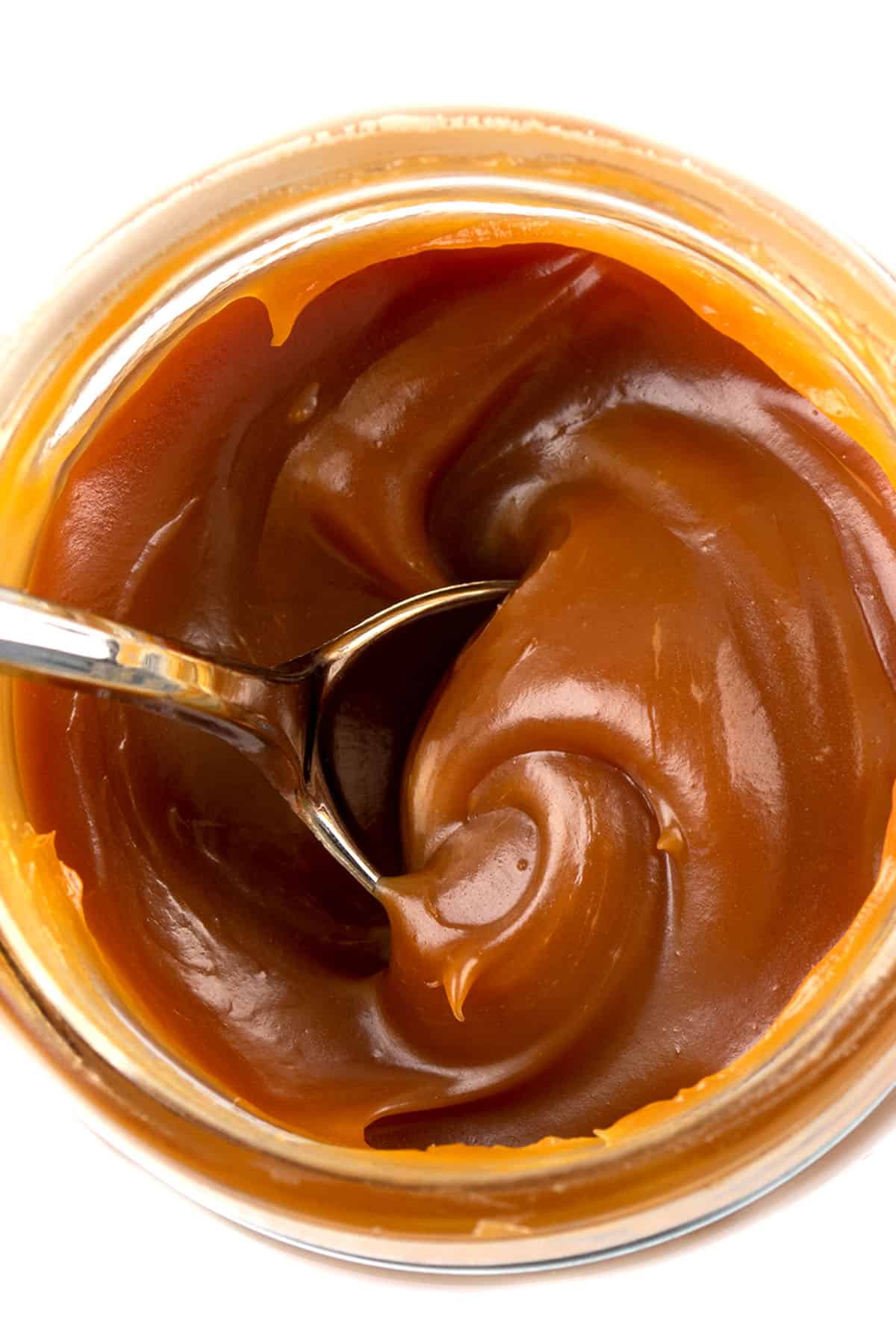
Easy Homemade Caramel: Your Guide to Soft, Chewy Perfection
There's something undeniably magical about a perfectly crafted piece of caramel. That rich, buttery, melt-in-your-mouth sweetness that yields to a satisfying chew. While store-bought options are readily available, nothing compares to the taste and texture of homemade caramel. Many assume it's a complicated endeavor reserved for expert confectioners, but we're here to demystify the process. Creating soft, chewy, utterly delicious
homemade caramel is not only achievable but surprisingly straightforward, relying on simple pantry ingredients and a little patience.
Imagine unwrapping a glistening, golden square of caramel, knowing you made it yourself. This isn't just a treat; it's an experience – a delightful journey from basic ingredients to confectionery perfection. Whether you're looking to create a cherished family tradition, craft thoughtful food gifts for loved ones during the holidays, or simply satisfy a sweet craving with the best possible results, mastering homemade caramel is a deeply rewarding skill. Let's dive into how you can achieve that coveted soft, chewy perfection in your own kitchen.
Gather Your Ingredients & Equipment for Caramel Success
The beauty of this classic confection lies in its simplicity. You likely have most, if not all, the necessary ingredients on hand right now. High-quality ingredients are always a plus, but even standard pantry staples will yield fantastic results.
Essential Ingredients:
- Butter: Unsalted butter is usually preferred, as it allows you to control the salt content. It provides the signature richness and helps with texture.
- Granulated Sugar: The foundation of any caramel.
- Corn Syrup (Karo Syrup): This unsung hero plays a crucial role. It helps prevent sugar crystallization, ensuring your caramel remains smooth and pliable rather than grainy. It also contributes to that desirable chewy texture.
- Evaporated Milk: Crucial for the creamy, soft consistency. Unlike regular milk, evaporated milk has a lower water content, which is ideal for caramel making.
- Vanilla Extract: Added at the very end, vanilla infuses the caramel with its warm, aromatic fragrance, enhancing the overall flavor.
Necessary Equipment:
- Large, Heavy-Bottomed Saucepan: This is non-negotiable. A heavy bottom ensures even heat distribution, preventing hot spots that can scorch your sugar. Opt for a pan larger than you think you'll need, as the mixture will bubble up considerably.
- Whisk or Sturdy Wooden Spoon: For constant stirring.
- Measuring Cups and Spoons: For accurate ingredient proportions.
- 9x13-inch Baking Pan (or similar): Lined with parchment paper and lightly greased with butter or non-stick spray. This preparation is essential to prevent sticking and make removal easy. Ensure the parchment paper hangs over the sides for easy lifting.
- Candy Thermometer (Optional, but recommended for beginners): While many seasoned caramel makers prefer the ice water test (which we’ll explain!), a reliable candy thermometer can offer reassurance, especially for your first few batches. Ensure it's calibrated correctly.
- Ice Water Bath (for the ice water test): A bowl filled with ice water, ready for testing doneness.
Step-by-Step: Crafting Your Perfect Homemade Caramel
Patience is your most valuable ingredient in this process. Resist the urge to rush, and you'll be rewarded with truly exceptional caramel.
- Combine and Start the Boil: In your large, heavy-bottomed saucepan, combine the butter, granulated sugar, and corn syrup. Place the pan over medium heat. Stir constantly with a whisk or wooden spoon until the butter is fully melted and the sugar is dissolved. Continue stirring until the mixture comes to a consistent boil, which typically takes about 5-10 minutes. This initial phase ensures all ingredients are well incorporated before the milk is introduced.
- Gradually Add Evaporated Milk: This is arguably the most critical step for achieving that signature soft, smooth texture and preventing curdling. Once the sugar mixture is boiling, begin to *very slowly* pour in the evaporated milk. Add it in small increments, stirring constantly. The key here is to allow the mixture to maintain a steady, constant boil throughout the entire addition. This process should take approximately 12-15 minutes *per can* of evaporated milk. If you find the mixture’s boil subsiding, slow down your milk addition even further. Some experienced cooks even warm their evaporated milk slightly beforehand to minimize temperature fluctuations. Maintaining that constant boil is vital for stability.
- Caramelize to Perfection: Continue stirring the mixture constantly as it boils, making sure to scrape down the sides of the pan occasionally to prevent any sugar crystals from forming and scorching. The caramel will gradually thicken and darken in color. This is where the magic happens, as the sugars transform. You're aiming for the "firm ball stage."
- The Ice Water Test (Preferred Method): Many caramel aficionados, myself included, swear by the ice water test over a candy thermometer. To perform this, have a cup of ice water ready. Drop a small spoonful of the hot caramel mixture into the ice water. Allow it to cool for a few seconds, then retrieve it with your fingers. Mold the cooled caramel into a ball. When it's ready, the caramel should feel pretty firm, yet still pliable and chewy, holding its shape without being sticky or brittle. This method accounts for variations in altitude and humidity better than a fixed temperature on a thermometer. For a detailed guide on perfecting this technique, check out our article: Foolproof Homemade Caramel: Master the Ice Water Test.
- Candy Thermometer (Alternative): If you prefer a thermometer, aim for approximately 245-248°F (118-120°C) for a firm, chewy caramel. However, remember to calibrate your thermometer regularly, as accuracy can vary.
- Finish and Cool: Once your caramel reaches the desired doneness, immediately remove the pan from the heat. Stir in the vanilla extract. Pour the hot caramel evenly into your prepared 9x13-inch pan. Do not scrape the bottom of the pan as this can introduce scorched bits. Allow the caramel to cool at room temperature for an hour or two, then transfer it to the refrigerator. For the best results and easiest cutting, refrigerate the caramel overnight, or for at least several hours, until it is completely firm and chilled.
- Cut and Wrap: After chilling, your caramel will appear quite hard. However, it will soften beautifully at room temperature. Lift the entire slab of caramel from the pan using the parchment paper overhang. Place it on a clean cutting board. Using a sharp, buttered knife or a pizza cutter, cut the caramel into small, bite-sized pieces. For a classic presentation and to prevent sticking, wrap each individual piece like a Tootsie Roll in small squares of wax paper or parchment paper. These wrapped delights also make for fantastic gifts! Consider wrapping them elegantly for gifting, as discussed in Treasured Family Recipe: Soft & Chewy Holiday Caramels.
Secrets to Success: Tips for Foolproof Homemade Caramel
Achieving consistently perfect
homemade caramel is less about luck and more about understanding a few fundamental principles.
*
Embrace the Slow Stir: The slow addition of evaporated milk, taking 12-15 minutes per can, is not a suggestion—it's a critical step. This gradual process prevents thermal shock, which can cause the milk to curdle, and allows the mixture to maintain a consistent boil, leading to a smooth, uniform texture.
*
Maintain Steady Heat: Keep your stove burner on a consistent medium heat throughout the cooking process. Fluctuations in temperature can affect the caramel's texture and increase the risk of scorching. A heavy-bottomed pan is your best friend here, as it distributes heat much more evenly.
*
Patience is a Virtue: Caramel making is not a sprint; it's a marathon. Don't try to rush the cooking by cranking up the heat. High heat can lead to burnt sugar on the bottom while the rest of the mixture remains undercooked, resulting in a bitter flavor.
*
Scrape the Sides: Regularly scrape down the sides of your saucepan with your spoon or a wet pastry brush. This prevents sugar crystals from forming on the edges and falling back into the mixture, which can cause the entire batch to become grainy.
*
Trust the Ice Water Test: As mentioned, the ice water test is a highly reliable way to determine doneness, as it directly assesses the caramel's texture and pliability. It inherently adjusts for variables like altitude and humidity that can throw off candy thermometer readings.
*
Altitude and Humidity: Be aware that both high altitude and high humidity can affect cooking times and target temperatures for sugar work. If you live in an area with these conditions, you might need to cook your caramel slightly longer or to a slightly higher thermometer reading if you're using one, though the ice water test remains the most adaptable.
Serving & Gifting Your Delicious Creations
Once your
homemade caramel has cooled, cut, and wrapped, the possibilities are endless!
Of course, the most direct way to enjoy them is straight from the wrapper, savoring that rich, buttery chew. But these caramels are incredibly versatile. Drizzle melted caramel over ice cream, use them as a luscious filling for cakes or pies, or incorporate them into other desserts like brownies or cookies. They also make an incredible dip for apple slices.
And speaking of sharing, homemade caramels are a truly cherished gift. The effort and care that goes into making them shine through, making them perfect for holiday treat exchanges, hostess gifts, or a thoughtful surprise for a friend. Stack them in a decorative box, tie with a ribbon, and you have a gift that speaks volumes.
Conclusion
Making your own
homemade caramel is an incredibly rewarding culinary adventure. With just a few basic ingredients, some essential equipment, and a healthy dose of patience, you can create soft, chewy, utterly delicious caramel that rivals any store-bought version. The process, while requiring attention, is far from intimidating once you understand the key steps – particularly the slow addition of milk and the reliable ice water test for doneness. So, next time you're craving that classic buttery sweetness, don't hesitate to embark on this delightful journey. You'll not only produce an exquisite treat but also gain a valuable skill that brings joy to both your kitchen and everyone who gets to savor your perfect homemade caramels.